How to losing weight while pregnant(weight loss)
 |
| How to losing weight while pregnant(weight loss) |
Here is a sample article outline for a blogger looking to write about losing weight while pregnant:
I. Introduction
A. Importance of maintaining a healthy weight during pregnancy
B. Overview of the article's purpose and goals
The importance of maintaining a healthy weight loss during pregnancy cannot be overstated as it has a direct impact on the health and well-being of both the mother and the baby. Excessive weight gain or loss can lead to various complications during pregnancy such as gestational diabetes, pre-eclampsia, premature birth, and low birth weight.
The purpose of this article is to provide a comprehensive overview of the significance of maintaining a healthy weight loss during pregnancy, and its impact on the mother and the baby. The goals of this article are:
To educate expectant mothers on the importance of maintaining a healthy weight during pregnancy
To provide an understanding of the recommended weight gain during pregnancy based on the Body Mass Index (BMI)
To offer tips and strategies for maintaining a healthy weight during pregnancy
To discuss the potential risks associated with excessive weight gain or loss during pregnancy
To emphasize the importance of seeking professional advice from a doctor or a dietician when planning a diet and exercise regimen during pregnancy.
II. The Reality of Weight Gain During Pregnancy
Pregnancy is a natural and beautiful process that brings a lot of changes in a woman's body. One of the most common changes is weight gain, which is a result of various physiological and hormonal factors.
During pregnancy, the body undergoes many changes to support the growth and development of the fetus. The weight gain during pregnancy is primarily due to the growth of the uterus, placenta, fetus, amniotic fluid, and maternal tissues such as the breasts and fat stores. On average, a woman can expect to gain anywhere from 25-35 pounds during her pregnancy, although this can vary depending on several factors such as the woman's starting weight, height, and overall health.
It is important to remember that weight gain during pregnancy is normal and necessary for the health and wellbeing of both the mother and the baby. However, excessive weight gain can lead to a range of health problems such as gestational diabetes, pre-eclampsia, and difficulty during delivery.
It is also important to maintain a healthy and balanced diet during pregnancy to support the nutritional needs of both the mother and the baby. Foods rich in essential vitamins, minerals, and nutrients should be included in a pregnancy diet, while junk food and high-calorie beverages should be avoided.
In conclusion, weight gain during pregnancy is a natural part of the process, but it is important to monitor it and maintain a healthy and balanced diet to ensure the health and wellbeing of both the mother and the baby
B. Eating a balanced, nutritious diet with weight loss
Eating a balanced, nutritious diet during pregnancy is important for both the mother and the developing baby. Consuming a variety of nutrient-dense foods can help to ensure that the baby receives all of the vitamins, minerals, and other nutrients that it needs to grow and develop properly. Some of the key nutrients that are especially important during pregnancy include folic acid, iron, calcium, and omega-3 fatty acids.
It is recommended that pregnant women consume a variety of fruits and vegetables, whole grains, lean protein sources, and healthy fats. Foods such as leafy greens, nuts and seeds, dairy products, and fatty fish are particularly beneficial. It is also important to stay hydrated and drink plenty of water throughout the day.
It is important to note that while it is important to maintain a healthy weight loss during pregnancy, losing weight is generally not recommended. Pregnant women should talk to their doctor about the appropriate amount of weight to gain during pregnancy and the best way to achieve a healthy diet and control weight loss.
Overall, eating a balanced and nutritious diet during pregnancy is crucial for the health of both the mother and the baby. It is important to work with a healthcare provider to ensure that all nutritional needs are met and to make any necessary changes to the diet throughout pregnancy.
A. Why weight gain is normal and necessary during pregnancy
B. Understanding the recommended amount of weight gain during pregnancy
III. Safe and Effective Ways to Lose Weight While Pregnant
A. The importance of speaking with a healthcare provider before starting a weight loss program
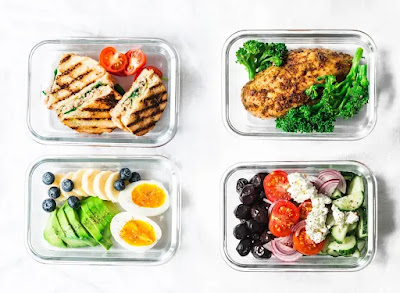
1. Incorporating fruits, vegetables, whole grains, and lean proteins
Weight loss can be a challenging journey, but incorporating certain foods into your diet can make it easier and more effective. Here are some of the best foods to include in your weight loss plan:
Fruits: Fruits are naturally low in calories and high in fiber, vitamins, and minerals it can be help for healthy weight loss. Some of the best fruits for weight loss include berries, apples, and citrus fruits. These fruits are also low in sugar, making them a great snack option in weight loss.
 |
| How to losing weight while pregnant(weight loss) |
Vegetables: Vegetables are a key component of any weight loss diet. They are low in calories, high in fiber, and packed with nutrients recments in weight loss. Some of the best vegetables for weight loss include broccoli, spinach, and cauliflower. Eating a variety of colorful vegetables can also help you get a range of nutrients and prevent boredom.
Whole Grains: Whole grains are a great source of fiber and other important nutrients, such as vitamins and minerals. They can help you feel full for longer, which can prevent overeating. Some of the best whole grains for weight loss include brown rice, whole wheat bread, and oatmeal most helpfull in weight loss while pregnant.
Lean Proteins: Protein is an essential nutrient for weight loss, as it can help you while pregnant build and maintain health and muscle mass, which boosts your metabolism. Some of the best lean protein sources for weight loss include chicken, fish, and legumes.
Incorporating these foods into your diet can help you achieve your weight loss goals. Additionally, it's important to drink plenty of water, limit your intake of added sugars and saturated fats, and get regular exercise. With a balanced diet and an active lifestyle, you can reach your weight loss goals and maintain a healthy weight for life.
2. Limiting processed and junk foods
3. Staying hydrated
C. Engaging in low-impact physical activity
Low-impact physical activity refers to exercises that put minimal stress on the joints and bones, reducing the risk of injury and making it easier for people of all aaparticipate. Examples of low-impact physical activities include:
Walking: Walking is an excellent form of low-impact physical activity while you are pregnant that can be done anywhere, at any time, and is suitable for people of all ages and fitness levels.
Cycling: Cycling is a low-impact form of physical activity that can be done indoors or outdoors. It is a great way to get your heart rate up while putting minimal stress on your joints.
1. Walking, swimming, and prenatal yoga
2. Avoiding high-impact or strenuous exercise
D. Managing stress through mindfulness and relaxation techniques
 |
| How to losing weight while pregnant(weight loss) |
Stress is a common issue faced by people from all walks of life. Whether it’s work-related stress, relationship stress, financial stress, or any other form of stress, it can have a significant impact on one's mental and physical health. The good news is that there are many effective ways to manage stress, including mindfulness and relaxation techniques. In this article, we will discuss the benefits of mindfulness and relaxation techniques and how they can help manage stress.
Meditation is a simple but effective way for weight loss in pregnancy practice mindfulness. It involves sitting or lying down in a comfortable position and focusing on your breath or a word or phrase that you repeat to yourself. This helps you to quiet your mind and become more present in the moment. Over time, meditation can help you become more aware of your thoughts and emotions, allowing you to respond to stressors in a more calm and intentional manner .
Deep breathing exercises are another simple way to practice mindfulness weight loss method. They involve taking slow, deep breaths, focusing on the sensation of the breath moving in and out of your body. This can help to slow down your heart rate and lower your blood pressure, reducing feelings of stress and anxiety.
Relaxation techniques are also an effective way to manage stress and loss the weight.They involve engaging in activities that promote relaxation, such as massage, guided imagery, progressive muscle relaxation, and aromatherapy. These techniques can help to reduce tension in the body and promote feelings of calm and relaxation.
Guided imagery involves using your imagination to create a relaxing image or scenario in your mind. This can help to reduce feelings of stress and promote relaxation. For example, you might imagine yourself lying on a beach, feeling the warmth of the sun on your skin and the sound of the waves crashing on the shore.
Progressive muscle relaxation is a technique that involves tensing and then relaxing different muscle groups in your body. This can help to reduce tension in the muscles and promote relaxation. To practice progressive muscle relaxation, you would start by tensing a muscle group, such as your fists, then holding the tension for a few seconds before releasing it and focusing on the sensation of relaxation.
In conclusion, managing stress through mindfulness and relaxation techniques can have many benefits for your mental and physical health. Whether you choose to practice mindfulness through meditation, yoga, or deep breathing exercises, or use relaxation tecnique for weight loss.
Benefits of weight loss in pregnancy:
Pregnancy is a special time in a woman's life, but it can also come with its own set of challenges, including weight gain. Many women struggle to lose weight during pregnancy and find it difficult to maintain a healthy weight. However, weight loss in pregnancy can have numerous benefits for both the mother and the baby. In this article, we will explore the benefits of weight loss in pregnancy and provide tips for maintaining a healthy weight during this special time.
Reduced risk of gestational diabetes: Pregnancy often leads to weight gain and can increase the risk of gestational diabetes. This condition occurs when the body is unable to produce enough insulin to regulate the increased blood sugar levels during pregnancy. Weight loss can help reduce the risk of gestational diabetes and ensure a healthy pregnancy.
Lower risk of hypertension: Pregnancy-related hypertension, or pre-eclampsia, is a common complication that can develop in the latter stages of pregnancy. This condition can lead to serious complications for both the mother and the baby, but weight loss can help reduce the risk of hypertension.
Better birth outcomes: Pregnant women who are overweight or obese are more likely to experience complications during delivery, such as cesarean section or forceps delivery. By losing weight during pregnancy, women can reduce their risk of these complications and have a safer, smoother delivery.
Improved postpartum recovery: Women who are overweight or obese during pregnancy often have a harder time losing weight after giving birth. By losing weight during pregnancy, women can make it easier to lose weight postpartum and improve their overall health.
Healthier baby: Babies born to mothers who are overweight or obese are more likely to be overweight themselves, increasing their risk of developing health problems later in life. By losing weight during pregnancy, women can help ensure their baby has a healthy weight and a reduced risk of future health problems.
To maintain a healthy weight during pregnancy, women should focus on eating a balanced diet that includes plenty of fruits, vegetables, whole grains, and lean proteins. It is also important to stay hydrated and get regular exercise, such as walking or prenatal yoga. However, it is important to talk to your doctor before starting any new exercise regimen during pregnancy.
In conclusion, weight loss in pregnancy can have numerous benefits for both the mother and the baby. By eating a healthy diet, staying hydrated, and getting regular exercise, women can maintain a healthy weight and ensure a safe, healthy pregnancy.
IV. Common Weight Loss Mistakes to Avoid
A. Restricting caloric intake to an unhealthy level
B. Over-exercising or engaging in strenuous physical activity
C. Not seeking the guidance of a healthcare provider before starting a weight loss program
V. Conclusion
A. Recap of the importance of a healthy pregnancy weight
B. Emphasizing the importance of speaking with a healthcare provider before starting any weight loss program
C. Encouraging readers to prioritize their health and the health of their baby during pregnancy.

Comments
Post a Comment